



The Beat Goes On: Bioelectronics Reduce Heart Problems
2022
"The Beat Goes On: Bioelectronics Reduce Heart Problems"

The bold new devices built to keep your brain young
2024
“Anti-aging neuro-tech: The bold new devices built to keep your brain young... Unlike implanted devices, these methods require the user to consistently and correctly apply the stimulation”

Why the vagus nerve is so exciting to scientists
2023
“The device that I’ve been clipping to my ear, called Nurosym, could provide an alternative means of stimulating the vagus nerve, and, unlike implanted stimulaters, does not require surgery.”

Zapping the Vagus Nerve could relieve long COVID Symptoms
2022
“There is no trial of any drug or anything I’ve ever done in all my years that makes a patient so well that he or she no longer fulfills criteria for cpersistent fatigue syndrome”
So you’re looking to understand chronic fatigue? Maybe you’re dealing with relentless exhaustion yourself—or watching someone you love struggle to keep up with daily life. Maybe you’ve been told it’s “just stress,” or tried to push through only to crash harder. Or maybe you’ve heard of terms like ME/CFS or Long COVID and want to know what they really mean.
Well, you’re in the right place.
In this article, we’ll break down what chronic fatigue actually feels like, the symptoms and triggers that define it, and why life looks so different when you’re living with it. We’ll also explore the current treatment options, their limitations, and why new approaches—like addressing the nervous system and the vagus nerve—may finally offer real relief.
What is Chronic Fatigue Syndrome (CFS)?
Imagine seeing the "low battery" message in the morning. You wake up drenched in exhaustion, as if you sprinted through the night, but you never left your bed. That’s what chronic fatigue feels like—an invisible weight pressing on your body and mind, draining you before the day even begins.
Chronic Fatigue is a long-lasting, disabling exhaustion that doesn’t improve with rest. Even small efforts, like cooking or reading, can trigger days of collapse. At its core, it’s a dysfunction of the nervous system that leaves the body unable to produce and manage energy normally. Read on to discover scientifically proven ways to support your wellbeing.
Common Symptoms of Chronic Fatigue
It’s a whole-body crash. People describe:
- Post-exertional malaise (PEM): even small activities can trigger a delayed collapse lasting days or weeks.
- Unrefreshing sleep: no matter how long you rest, you wake up drained.
- Brain fog, mental overload: thinking feels like trying to tune into a radio station, but all you get is static—your thoughts keep cutting in and out. Memory and focus slip away.
- Dizziness and palpitations: standing upright can feel impossible due to orthostatic intolerance.
- Body pain and sensitivity: headaches, sore throats, aching muscles, light and sound intolerance.
- Low motivation and burnout
- Struggle to stay alert: Rapid deterioration of your attention span.
Potential Causes of Fatigue
Fatigue has many faces, and not all of them point to the same root problem. Sometimes, it’s straightforward—like staying up too late, poor nutrition, or high stress. But when fatigue becomes chronic, lasting for months or years, the causes are often layered and complex.
Common contributors include:
- Infections: Viral triggers like Epstein-Barr virus or COVID-19 can set off long-term fatigue syndromes.
- Immune dysfunction: An overactive or misfiring immune system can keep the body in a state of constant inflammation.
- Hormonal or metabolic imbalances: Thyroid disease, anemia, and blood sugar instability are well-known culprits.
- Sleep disruption: Sleep apnea, insomnia, or simply unrefreshing sleep leave the body without real recovery.
- Other chronic illnesses: Pain conditions, autoimmune disorders, and heart or lung disease can all drain energy reserves.
But there’s a deeper pattern running through these causes: the nervous system itself often becomes impaired.
When the body’s communication hub—the nervous system—malfunctions, it scrambles energy regulation, stress responses, and even immune function. This is why many researchers now see nervous system dysfunction as the key driver behind chronic fatigue.
6 Typical Treatments And How They Fall Short
People reach for anything to feel better, but most options only scratch the surface:
- Caffeine, nootropics, stimulants: give temporary alertness but can worsen crashes.
- Exercise programs (GET): once promoted, now abandoned because they often make people worse.
- Therapy (CBT): helps some cope emotionally, but it’s not a cure.
- Supplements and alternative therapies: mixed clinical evidence, inconsistent relief.
- Medications: support individual symptoms like sleep or pain, but don’t resolve the core fatigue problems.
- The most effective strategy is pacing—staying within the body’s “energy envelope” to prevent crashes. Helpful, but far from a full solution.
The Root Cause Of Persistent Fatigue - Your Nervous System's Inability To Repair & Regulate Your Body
The problem is not laziness, the problem is your nervous system being out of balance.
Scientific research has demonstrated that at its root, chronic fatigue is tied to deep nervous system impairment.
- The brain’s communication with the body becomes disrupted, affecting sleep, heart rate, and energy use.
- The autonomic nervous system, which controls unconscious functions like standing upright or regulating blood pressure, malfunctions—leading to dizziness, palpitations, and energy collapse.
- Infections like COVID-19 or Lyme disease appear to flip this system into a state of chronic dysfunction.
Think of it as a faulty electrical grid. The power’s still on, but it flickers, surges, and shuts down when demand gets too high. That’s why even tiny efforts overload the system.
Why the Vagus Nerve May Hold the Key to Lasting Relief
If the nervous system is the body’s power grid, the vagus nerve is one of its main control switches that promotes your regenerative state and self-repair processes.
Running from the brainstem through the neck to the chest and gut, it regulates critical functions like heart rate, digestion, and the body’s stress response.
When the vagus nerve is underactive or misfiring, the body can get stuck in “survival mode”—with poor energy regulation, unrefreshing sleep, and heightened sensitivity to stress and pain.These are the same problems many people with chronic fatigue experience every day.

What is Vagus Nerve Stimulation?
Stimulating the vagus nerve brings the body back into balance, may reduce fatigue and help you feel more rested and resilient.
The vagus nerve helps control your body’s:
- Rest
- Recovery
- Energy Regulation
By stimulating or supporting the vagus nerve, it may be possible to:
- Calm the overactive stress response that drains energy.
- Boost rest-and-digest signals, leading to deeper, more refreshing, and restorative sleep.
- Rebalance immune activity, easing post-infection dysfunctions like those seen after COVID.
Research into vagus nerve stimulation is growing, and while it’s not a cure-all, it represents a promising avenue for restoring balance to a system that’s been hijacked by illness.

Increasing Body of Evidence for Targeted, Non-Invasive VNS
In a recent independent-led study by Université Libre de Bruxelles, Belgium - tVNS (transcutaneous vagus nerve stimulation) dramatically reduced the severity of symptoms including fatigue, pain, digestive problems, dyspnea, and cognitive difficulties.
CLINICAL STUDY RESULTS:
35%
Reduced Fatigue & Increased Energy
*In the study, patients reported sustained improvements even one week after discontinuing the therapy, indicating prolonged relief from fatigue-related symptoms.

Nurosym is a tVNS device that rewires your brain with scientifically-validated, targeted electrical impulses that go through the brainstem, directly activating the vagus nerve. Try neuromodulation benefits for lasting calm, consistent energy, and peak performance.
5M+ favorable users sessions
Start restoring active energy levels with neuromodulation
Nurosym helps counter chronic fatigue symptoms by activating the Vagus Nerve via precise bioelectric signals that rewire your brain to self-repair and recover.
Recommended by 1000+ healthcare professionals
Supported by 60+ studies with leading institutions
CE marked vagal neuromodulation device


Trusted by over 60 internationally recognised institutions

























































































It is the first scientifically proven CE-marked non-invasive vagal neuromodulation system in collaboration with leading institutions
Nurosym is the first scientifically proven wearable device, specifically designed to target the Vagus Nerve, with rigorous studies conducted at Harvard, UCLA, and other leading medical research centers.
By collaborating with the most reputable names in medical research, Nurosym lets you stand at the forefront of neuromodulation science.
- Validated results from 60+ completed clinical studies with thousands of participants.
- Backed by top-tier medical research and certifications, ensuring that the device meets the highest standards of safety and efficacy.
- Trusted by hundreds of health professionals in the fields of neurology, cardiology, and bioelectricity for its ability to support long-term health.
FRANCESCA, UK:
“Honestly, I’ve seen such a big difference. I don’t have as many days where I’m so exhausted I can barely move”
4 Ways Nurosym may help you counter chronic fatigue at it's roots


Trusted by experts, loved by users
Nurosym's community brings together diverse journeys united by a shared goal - to support our nervous system and mental state.

Anthony Kaveh, MD
Anesthesiologist & Medical Director at Clarus Health
"I wanted to know can we help our patients have an even more sustained relief from an out-of-control sympathetic nervous system. I'm happy to say so far the answer has been yes."
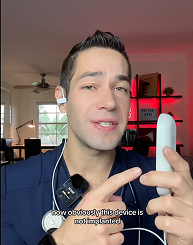
Dr Myro Figura
Anesthesiologist & Chief Medical Officer at HealFast
"(Nurosym) increases the rest and digest side of your nervous system by up to 50% in five minutes and it's a potent reliever for anxious states."
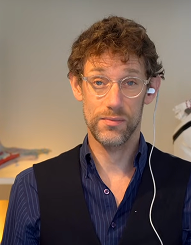
Dr James Gill
Associate Professor at Warwick Medical School & General Practitioner
"I found (publications) with no declared conflict of interest by Leeds University. They demonstrated reduced sympathetic nerve activity. Personally, (with Nurosym) my HRV increased from 40s to 69."
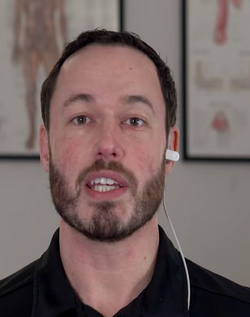
Ashley Ridout
Osteopath & Educator
"I tried this on two patients: a 45-year-old male with chronic neck pain reported better and deeper sleep... A 30-year-old female with headaches noticed improved sleep and reduced pain."
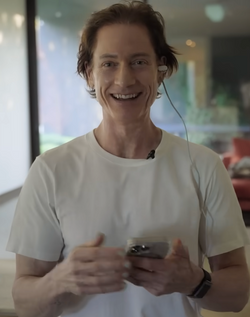
Bryan Johnson
Founder of Braintree, Project Blueprint
"HRV is a pretty significant biomarker for health and wellness. It has a clear association with age... HRV training is keeping me low key, chill and calm."

Dr Mikolaj Raszek
Researcher at Merogenomics
"Based on the evidence coming out, it looks as if these devices... appear to be helping big time in terms of Post-Viral Fatigue."
Watch in-depth user stories
- Post Viral Fatigue
Relieving Post Viral Symptoms
"Five star rating for me. In this world where there's not much we can go on, this is one of the things we can."
Derek
- Inflammation
- Fatigue
- Sleep issues
Post-Viral Fatigue, Autoimmune Relief, and Better Sleep
“I definitely noticed when I haven't used it, I don't sleep as well.”...”when I don't use it, I feel a lot more inflamed and achy and just not well.”
Kate
- Fatigue
- Brain Fog
From Fatigue, Menstrual Pain to Clarity
"I've had a very good experience with it, and I'd recommend it to anybody who was hoping for relief, particularly from chronic tiredness and brain fog symptoms."
Tasha
- Anxious Thoughts
- Chronic Tiredness
- Stress
Managing Stress & Sleep with Nurosym: A Chronic Tiredness Success Story
"I actually would recommend this to my clients. So, it's a really interesting device, lots of research."
Ton
- Chronic Tiredness
- Pain
From Post-Viral Fatigue and Ongoing Tiredness to Nurosym Relief: A Life-Changing Experience
"I just want to spread the word and hope that other people can get access to Nurosym because it has made such a difference in my life and clearly a lot of others."
David


-
67% increase in 5 minutes
Vagus Nerve Activity
-
90% increase after 2 mo.
Vagus Nerve Activity
-
61% reduction
Long-Covid Symptoms
-
48% reduction
Fatigue
-
30% improvement
Sleep Quality
-
32% improvement
Memory
-
29% improvement
Reading
-
11% reduction
Attention Deficiency
-
Results in specific study populations. Individual results may vary.
-
SHOP NUROSYM
30 Day Money-Back Guarantee
If you try Nurosym for 30 days and aren’t happy with your results, we’ll send you a full refund
Nurosym Results from 60+ Completed clinical studies
Why Dealing with Chronic Fatigue Matters
Chronic fatigue can rewrite your entire life. Left unmanaged, it chips away at health, relationships, and independence. Work schedules shrink or disappear. Social ties fade as energy gets rationed for basic survival tasks. Even joyful activities like reading to a child or meeting a friend for coffee can become impossible.
Ignoring it isn’t an option. Without proper care, crashes grow more frequent and severe, trapping people in a cycle of exhaustion and recovery that steals years from their lives.
Addressing chronic fatigue means more than treating symptoms. It’s about restoring:
- Function: the ability to work, study, or contribute again.
- Freedom: the chance to live without constant fear of the next crash.
- Connection: rebuilding relationships and social life.
Every step toward managing fatigue is a step toward getting your normal life back.

Alternative to hazardous meds
For individuals diagnosed with chronic symptoms, the standard therapy often involves prescriptionmedications that can carry harmful side effects and long-term risks. Over time, these drugs may lead to dependency, chemical imbalances, and a host of secondary health problems
Vagus Nerve activation allows the body to heal and manage symptoms without the need forsynthetics. By targeting the root cause of nervous system imbalances, Nurosym helps regulate thebody's response to chronic illness without introducing chemicals into the system.
- Avoids side effects of medications, such as nausea, fatigue, or dependency, by using a non-invasive, natural approach that works with the body’s existing healing mechanisms.
- Cost-effective long-term solution, reducing the need for continuous health professional visits or costly refills, providing a safe, sustainable alternative for symptom management.
Trevor, UK
“I (was) told by my health professional that we don’t know what is wrong, but they did want to put me on long term steroids. I started to research how I could help myself (and) came across Nurosym.”


What to read next

CFS and Long Covid: new biomarkers link the two syndromes and points to new therapy strategies
GO TO ARTICLE
FREQUENTLY ASKED QUESTIONS
Some of your most asked questions, answered
Are there any side effects associated with Nurosym?
As with any device, side effects are possible, however, we're happy to report that Nurosym is considered low risk when used as intended and boasts a very high safety profile. In fact, across all 60+ completed clinical studies conducted, there have been no reports of serious adverse events associated with Nurosym in studies to date.
While side effects are rare, it's important to be aware of potential experiences. The most commonly reported side effects include:
- Tingling on the skin where the electrode is applied (paresthesia/dysesthesia)
- Discomfort on the skin of the ear (application site discomfort)
- Application site irritation/redness - if this occurs, try applying a bit of moisture before use, shorten session times, or switch ears
In the initial weeks of use, a small proportion of users may also experience temporary effects that typically subside within 1-2 weeks of continuous use due to adaptation. These effects may include nausea, headaches, confusion, malaise, or weakness.
It's worth noting that in a published review of non-invasive neuromodulation clinical studies, only 2.6% of users discontinued therapy due to side effects.
Can I use the Nurosym if I have an earring or a piercing?
We do not recommend using Nurosym if you have a piercing or an earring. We suggest removing the piercing, allowing the skin to fully heal up to a week, and then starting your use of Nurosym.
Can I share my Nurosym with others?
All Parasym clinical research has been conducted with each participant using their own personal device. To ensure the safest and most effective experience, we recommend that every individual user has their own device. Patient registration is done for each personal device to guarantee safe use.
Can I travel with my Nurosym?
Absolutely - in fact, Nurosym can help relieve inflammation related to high altitude and jet lag, making it the perfect travel companion. Just keep in mind that Nurosym is powered by lithium-ion batteries, so most air travel safety regulations require that it be carried in your carry-on baggage only. For added safety, we recommend checking your airport's guidelines or asking an airport employee before your flight.
Can I use Nurosym if I have a pacemaker or other medical implant?
Nurosym should not be used if you have any active implanted device, including electronic or medical devices such as a pacemaker, cochlear implant, cerebral shunts, or invasive vagus nerve stimulators. Additionally, if you have non-active implants that may potentially interact with the nervous system, such as metal implants, it's important to consult with your healthcare professional before using Nurosym. Users with known severe coronary disease or recent myocardial infarction (within 5 years), as well as pediatric patients, should also seek medical advice before using Nurosym.
Are there any ongoing research or studies about Nurosym?
Nurosym is at the forefront of scientific research, continuously investing substantial resources to advance neuromodulation technology. With over $10 million dedicated to studies, we collaborate with over 150 research partners, including Harvard and UCL, to deepen understanding and improve outcomes.
Our research has resulted in 60+completed clinical studies in leading journals such as Nature and Nature Reviews Cardiology. This includes a meta-analysis of placebo-controlled cardiac studies in JACC, a highly reputable journal with a 21.7 impact factor, ranking among the world’s top 100 journals. These studies highlight exciting breakthroughs in modulating Vagus Nerve Activity, Heart Rate Variability, and more.
Can I use Nurosym while sleeping or exercising?
We don’t recommend using Nurosym while sleeping or exercising. It's important to use Nurosym in a controlled environment where you can remain aware of its effects. Always prioritize your safety and well-being when using Nurosym.
Are there any specific conditions that must be met for a return to be accepted?
In order for a return to be accepted, your item should be in its original condition and packaging, just as you received it.
Can Nurosym be used alongside other therapies or medications?
Nurosym can be a complementary tool alongside other therapies or medications for many individuals. However, there are specific contraindications to consider. These include:
- Users who have undergone surgery to cut the vagus nerve (cervical vagotomy)
- Users diagnosed with severe bradycardia
- Users with a permanent implanted metallic or electronic device or jewelry in close proximity to the ear tragus
- Pregnant women
Additionally, certain situations may be contraindications unless under the supervision of a healthcare professional, such as users with any active implanted device, severe coronary disease or recent myocardial infarction within 5 years, and pediatric users.
Can I use Nurosym while pregnant or breastfeeding?
We haven't evaluated the use of Nurosym in pregnant women during scientific studies. To ensure safety, we recommend consulting with your healthcare professional to determine if vagus nerve stimulation is appropriate for you during pregnancy or while breastfeeding.