Based on peer-reviewed research with leading institutions:


Created by

We'll ask about your health to provide relevant information about targeted Vagus Nerve stimulation with Nurosym AVNT™. Any personal or health information collected will be used in accordance with our health data Privacy Policy. By continuing, you consent to such use. Opt out by accessing your account or using unsubscribe links.
A Quiet Revolution in Nervous System Health - The Vagus Nerve

Why A Stressed Nervous System Can’t Properly Recover

What causes Vagus Nerve Impairment
Some evidence suggests vagus nerve impairment can stem from various causes, including:
- surgical procedures [25]
- neurological disorders [25],
- diabetes [26],
- chronic stress [25],
- autoimmune conditions [26],
- exposure to toxins and alcohol [27],
- trauma [25],
- post-infection complications [26],
- heavy metals [27].

FUNCTIONAL OR STRUCTURAL
Conditions and symptoms linked with Vagus Nerve Impairment
Some evidence suggests vagus nerve impairment can stem from various causes, including:
- Anxious thoughts, Panic, Trauma [2,3]
- Brain Fog [4]
- Chronic Tiredness [5]
- Cognitive Impairments [6]
- Problems swallowing [7]
- Persistent low mood [8]
- Seizures [9]
- Sleep problems [10]
- Dizziness and Headaches [1]
- Cardiovascular Symptoms: Abnormal Heart Rate [12], Fainting [1], Blood Pressure Problems [13]


Fine-tuning Vagus Nerve Health with AVNT™

Independent-led studies in collaboration with leading institutions
Our work is conducted in collaboration with leading research institutions who independently lead and fund the clinical trials across diverse clinical populations





Backed by Science. Continuously Researched
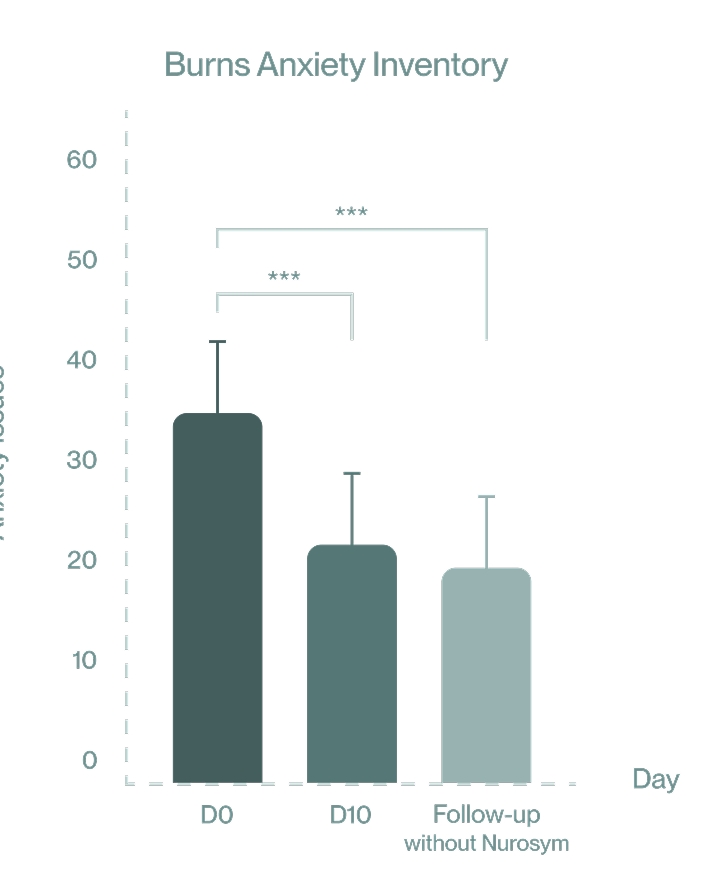
Reduction in anxious states
In a clinical trial, targeted stimulation of the vagus nerve increased vagal tone and inhibited cytokine production in the inflammatory process. Both are important mechanisms for anxiety resilience.
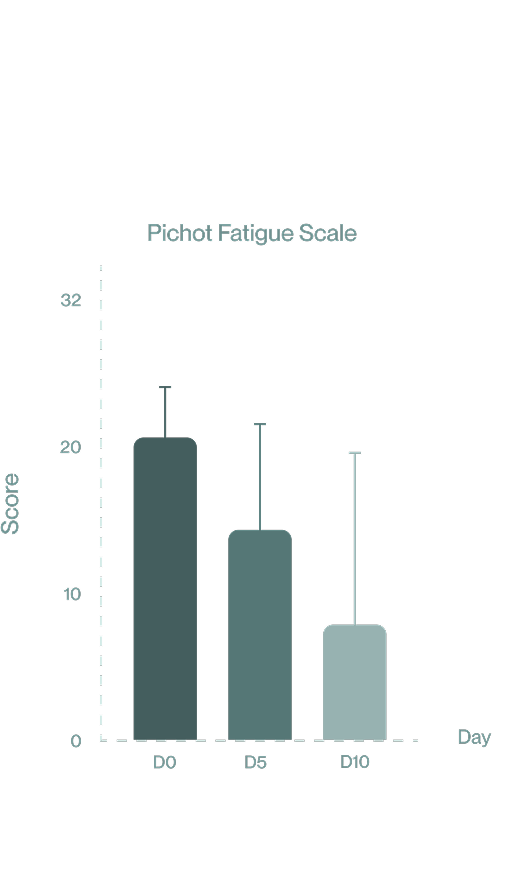
Reduced fatigue & increased energy
In the study, patients reported sustained improvements even one week after discontinuing the therapy, indicating prolonged relief from fatigue-related symptoms.


When it comes to anxiety the papers I’ve looked at do provide evidence of support that transcutaneous vagal nerve stimulation is effective at improving parasympathetic drive, it can reduce fatigue and personally I’ve seen this improves my HRV when using this device.
Study Participant Outcomes
Nurosym AVNT™ protocol: Compounding Long-term Benefits
Onset time: Feel visible results in as little as 5 days*
5 Days
Improved Mood + Energy*
- Brighter days and higher motivation
- Clear and stable mental patterns
- Prolonged periods of focused energy
2 Weeks
Lower Stress Levels + Better Sleep*
- Strong decline in reactivity to stress triggers
- Less anxious and other negative thoughts
- Feel well balanced and grounded after sleep
4 Weeks
High HRV + Accelerated Recovery*
- Visibly higher HRV via wearable monitor
- Reduced inflammation post workouts
- Clinically proven to reduce resting heart rate
3 Months
Gut + Chronic Symptoms Improvement*
- Less bloating and more regular digestion
- Immunity against post-viral symptoms
- Pain and autoimmune condition improvements
*Results in study populations, individual results may vary
Hit Your System’s Reset Button. Promote Restoration.
Nurosym helps your body maintain homeostasis, balancing your “rest and digest” response, countering “fight or flight” domination.
Parasympathetic Nerves
Responsible for “Rest and Digest” state
Sympathetic Nerves
Responsible for “Fight or Flight” state

Parasympathetic Nerves
Reinforce Neural Pathways
- Enhances neuroplasticity
- Learn faster, rewire habits
- Boosts prefrontal cortex activity
- Mental recovery, less cognitive fatigue, sharper focus
- Increases serotonin & GABA levels
- Calmer baseline, reduced rumination
- Activates parasympathetic tone
- Lower stress, improved resilience
- Supports neurochemical balance
- Steadier mood, emotional control
- Facilitates default mode network reset
- More creativity, deeper self-awareness, social connectedness

Parasympathetic Nerves
Regulate Heart Function
- Enhances vagal tone
- Faster recovery, reduces palpitations, stabilizes heart rhythm
- Increases cardiac drive
- Slower resting heart rate, enhanced endurance
- Improves heart rate variability (HRV)
- Better stress tolerance, increased resilience
- Reduces sympathetic overdrive
- Lower blood pressure
- Modulates baroreflex sensitivity
- More stable cardiovascular function
- Facilitates default mode network reset
- More creativity, deeper self-awareness, social connectedness

Parasympathetic Nerves
Stabilizes Airways
- Activation of bronchial smooth muscle
- Less airway constriction, easier breathing
- Modulates vagal efferents to the lungs
- Calmer breath, reduced chest tightness
- Reduces hyperreactivity of airway nerves
- Fewer stress-triggered breathing issues
- Balances autonomic tone in respiratory centers
- Smooth, rhythmic breathing under pressure
- Lowers respiratory tension
- Decreases shortness of breath
- Facilitates default mode network reset
- More creativity, deeper self-awareness, social connectedness

Parasympathetic Nerves
Stimulate Gut Function
- Enhances input to the enteric nervous system
- Promotes healthy digestion and motility
- Increases vagal tone to the gut wall
- Less bloating, smoother gut movement
- Stimulates acetylcholine release in GI tract
- Boosts peristalsis, improves regularity
- Improves brain–gut signaling
- Fewer stress-induced digestive issues
- Modulates gut inflammation
- Supports gut lining, reduces discomfort
- Facilitates default mode network reset
- More creativity, deeper self-awareness, social connectedness

Parasympathetic Nerves
Support Immune System
- Activates cholinergic anti-inflammatory pathway
- Lowers chronic inflammation, more physical energy
- Inhibits inflammatory cytokines (TNF-α, IL-6)
- Reduces systemic inflammation, protects tissues
- Modulates splenic immune activity
- Enhances immune regulation, prevents overreaction
- Improves balance in lymphoid organs
- Optimizes immune surveillance and repair
- Supports gut–immune crosstalk
- Supports gut lining, reduces discomfort
- Facilitates default mode network reset
- More creativity, deeper self-awareness, social connectedness
Sympathetic Nerves
Heighten Brain Reactivity
- Increases noradrenaline release in the cortex
- Heightened alertness, mental tension, brain fog
- Activates hypothalamic-pituitary-adrenal (HPA) axis
- Stress-driven thoughts, harder to relax, irritability
- Sensitizes the amygdala to threat cues
- Exaggerated emotional responses, anxiety spikes
- Suppresses prefrontal cortex regulation
- Reduced impulse control, harder to focus
- Supports gut-immune crosstalk
- Strengthens mucosal immunity and microbiome balance
- Elevates cortical excitability
- Restless mind, sleep disturbances
Sympathetic Nerves
Increase Heart Function
- Stimulates β1-adrenergic receptors
- Faster heart rate, ready for action, slower recovery
- Increases myocardial contractility
- Stronger heartbeats, boosts blood flow during stress
- Enhances cardiac output
- Diverts oxygen to muscles in "fight or flight"
- Releases catecholamines (e.g. adrenaline)
- Heightened cardiac alertness, but drains recovery
- Activates cardiac sympathetic nerves
- Sharp rise in pulse
Sympathetic Nerves
Inflate Airways
- Stimulates β2-adrenergic receptors
- Opens airways for faster breathing
- Promotes bronchodilation via circulating adrenaline
- Quick expansion of airways during "fight or flight"
- Enhances perfusion-ventilation in lungs
- Optimizes oxygen exchange when demand spikes
- Relaxes bronchial smooth muscle
- Reduces airway resistance, enhances airflow
Sympathetic Nerves
Slow Digestion
- Inhibits enteric nervous system
- Slows gut motility, digestion becomes inefficient
- Reduces blood flow to gastrointestinal tract
- Impairs nutrient absorption and enzyme activity
- Suppresses vagal (rest-and-digest) signaling
- Leads to bloating, fullness, or constipation
- Activates α2-adrenergic receptors in gut walls
- Decreases peristalsis, disrupts gut rhythm
- Increases sympathetic tone to GI sphincters
- Can cause reflux, cramping, or delayed emptying
Sympathetic Nerves
Shift Immune Function
- Increases circulating cortisol and adrenaline
- Suppresses immune activity short-term, waking tired
- Shifts immune response from Th1 (cellular) to Th2 (humoral)
- Weaker defense against viruses and allergy
- Inhibits natural killer (NK) cell activity
- Reduces early defense against infection
- Disrupts gut-immune barrier
- Increases vulnerability to pathogens and dysbiosis
- Suppresses lymphocyte proliferation and trafficking
- Slows immune recovery after illness or injury
Nurosym Stories