


Vagus Nerve Stimulation Exercises: What Works and How to Practise Them

Search for vagus nerve stimulation exercises and you will quickly find recommendations ranging from slow breathing and humming to cold showers, yoga, gargling and massage. They are often grouped together as different ways of doing essentially the same thing: “activating”, “toning” or even “resetting” the vagus nerve.
The physiology is a little more nuanced - some everyday practices can influence breathing, heart rate and the balance between sympathetic and parasympathetic activity. Slow breathing has particularly good evidence for influencing measures associated with cardiac vagal activity. Other frequently recommended techniques have a plausible physiological basis but much less direct evidence that they specifically stimulate the vagus nerve.
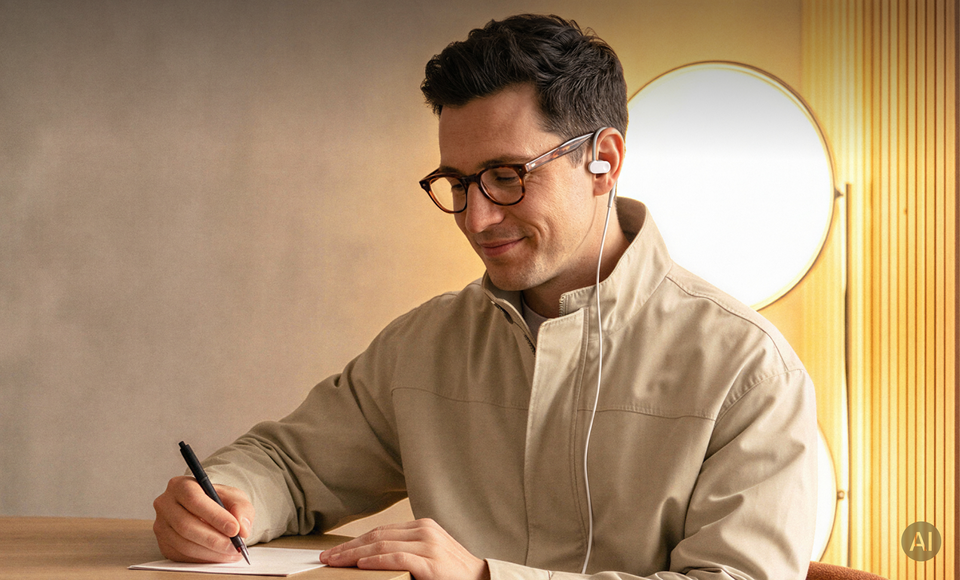
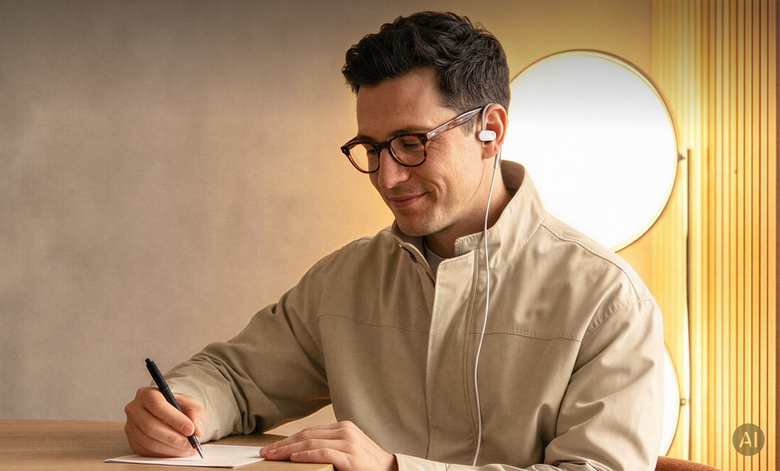
There is also a separate category of non-invasive vagus nerve stimulation devices, including wearable systems such as Nurosym, which delivers controlled stimulation at the ear rather than relying on a behavioural exercise.
Understanding those differences can help you choose techniques based on what the evidence actually tells us, rather than treating every viral “vagus nerve hack” as equivalent.
What Are Vagus Nerve Stimulation Exercises?
The vagus nerve is the tenth cranial nerve and an important communication pathway between the brain and organs including the heart, lungs and digestive system. It is heavily involved in parasympathetic regulation, helping the body adjust heart rate, digestion and other automatic processes as circumstances change.
The term vagus nerve stimulation exercises is commonly used for behaviours thought to increase parasympathetic influence or support autonomic regulation.
That does not necessarily mean the exercise is directly stimulating the nerve. For example, changing the speed of your breathing alters the interaction between respiration, heart rate and blood pressure regulation. Exercise affects autonomic function through cardiovascular adaptation and recovery. Cold applied to the face can trigger the diving reflex, which includes increased parasympathetic activity.
These are real physiological responses, although describing every one of them as direct “vagus nerve stimulation” oversimplifies what is happening.
Electrical vagus nerve stimulation is different again. It applies a defined electrical stimulus to vagal pathways using specific parameters such as pulse width, frequency and intensity.
A useful way to think about the evidence
|
Practice |
What we know |
Evidence for specifically stimulating vagal activity |
|
Slow breathing |
Changes respiratory-cardiovascular interactions and can increase vagally mediated HRV |
Relatively strong |
|
Regular physical activity |
Supports cardiovascular fitness and broader autonomic regulation |
Moderate, but not a direct vagal exercise |
|
Meditation / mindful movement |
May influence breathing, stress responses and autonomic measures |
Moderate and multifactorial |
|
Singing / humming |
Combines prolonged exhalation, vocalisation and controlled breathing |
Plausible, but limited direct evidence |
|
Cold water on the face |
Can engage the diving reflex and alter heart rate |
Acute physiological effect; not the same as training vagal tone |
|
Gargling / neck massage |
Frequently recommended online |
Limited direct evidence |
|
Auricular Vagus Nerve stimulation |
Applies controlled electrical stimulation to an auricular vagal target |
Directly studied as neuromodulation |
This distinction matters because something can be relaxing or beneficial without needing to directly stimulate the vagus nerve.
1. Slow Breathing: The Best-Supported Starting Point
Of the commonly recommended exercises for vagus nerve stimulation, slow breathing has one of the clearest physiological and research foundations.
Heart rate tends to increase slightly during inhalation and decrease during exhalation, a phenomenon known as respiratory sinus arrhythmia. Slowing respiration can amplify these cardiovascular oscillations and influence vagally mediated heart rate variability (HRV).
Try this simple slow-breathing exercise
Sit comfortably and allow your shoulders to relax.
-
Breathe gently through your nose for approximately four seconds.
-
Exhale slowly for approximately six seconds.
-
Continue without forcing the breath.
-
Practise for around five minutes.
This works out at approximately six breaths per minute, a rate frequently examined in slow-breathing research.
You do not need to take enormous breaths. In fact, repeatedly breathing much more deeply than your body requires can make some people light-headed.
The goal is slow, comfortable breathing, rather than maximising the amount of air you inhale.
What if breathing exercises make you feel worse?
This deserves far more attention than it receives in most guides.
Some people become more conscious of breathing when they feel anxious and start taking repeated large breaths. This can contribute to overbreathing and symptoms such as tingling, dizziness or a feeling that you cannot get a satisfying breath.
If slow breathing makes you uncomfortable:
-
make each breath smaller rather than deeper
-
stop counting if the counting itself feels stressful
-
avoid repeated breath-holds
-
return to normal breathing if you become dizzy
-
consider gentle walking or another grounding activity instead
2. Regular Movement and Aerobic Exercise
Walking, cycling, swimming, and other forms of aerobic exercise are sometimes included under vagus nerve stimulation exercises at home, although their effects are broader than those of direct vagus nerve stimulation.
Physical activity repeatedly challenges the autonomic nervous system to increase cardiovascular output during activity and recover afterwards. Over time, regular aerobic fitness is associated with healthier autonomic cardiovascular regulation.
For a practical approach, choose movement that allows you to breathe comfortably and maintain a conversation:
-
a brisk walk
-
gentle cycling
-
swimming
-
easy jogging
-
dancing
-
low-impact aerobic exercise
The important factor is consistency rather than attempting an intense workout whenever you feel stressed.
For someone who has been sedentary or is managing cardiovascular symptoms, exercise intensity should be increased gradually and, where appropriate, discussed with a healthcare professional.
3. Yoga, Tai Chi and Mindful Movement
Yoga, tai chi and similar practices combine several things that can influence nervous system state at once: slower breathing, controlled movement, attention and periods of physical relaxation.
That makes it difficult to claim that the vagus nerve alone explains their effects.
It also does not make them any less useful.
Try five to ten minutes of slow movement while allowing your breathing to settle naturally. Rather than searching for a particular pose that supposedly “activates the vagus nerve”, focus on movements that feel comfortable enough for you to maintain slow, controlled breathing.
4. Humming and Singing
Humming, chanting and singing frequently appear on lists of vagus nerve stimulation exercises for anxiety.
The explanation often given online is that vibration in the throat directly stimulates the vagus nerve. Evidence for that specific mechanism is much less established than these claims sometimes suggest.
Humming and singing do, however, naturally change respiratory behaviour. Singing phrases and sustained humming typically require controlled exhalation, while music itself can influence emotional and physiological state.
If you enjoy it, there is little reason to make the exercise complicated:
-
Take a comfortable breath in.
-
Hum gently during the exhalation.
-
Allow the sound to continue only as long as comfortable.
-
Breathe normally and repeat for several minutes.
The benefit may come from a combination of slower respiration, prolonged exhalation, sound, attention and emotional regulation rather than a single isolated vagal mechanism.
5. Cold Water: Useful Physiology, but Skip the Extreme Version
Cold exposure has become one of the most popular supposed vagus nerve “hacks”.
Applying cold water to the face can activate aspects of the mammalian diving response. This reflex involves changes in cardiovascular function, including slowing of the heart.
That is different from demonstrating that daily ice baths “strengthen” or “reset” the vagus nerve.
For most people interested in experimenting with the sensation, there is no need for extreme cold exposure. A cool splash of water to the face is very different from prolonged ice immersion.
People with cardiovascular conditions, fainting problems or other relevant medical concerns should be particularly cautious about intense cold exposure.
6. Meditation and Progressive Muscle Relaxation
Meditation and progressive muscle relaxation may also support a shift towards a calmer physiological state, particularly when they reduce respiratory rate and muscular tension.
For progressive muscle relaxation, gradually tense and release different muscle groups, beginning at the feet and working upwards through the body. Pay attention to the contrast between tension and relaxation instead of trying to produce a particular physiological outcome.
These approaches are better described as nervous system regulation practices than as precise vagus nerve stimulation.
Watch: Practical Ways to Support Vagal Regulation
For a practical overview, this Cleveland Clinic video explores several everyday approaches commonly associated with vagal regulation, including breathing, movement, music and cold exposure.
Accessible introduction to some of the techniques discussed in this guide and provides useful context for how simple behavioural practices may influence parasympathetic and autonomic activity.
What About Gargling, Eye Movements and Vagus Nerve Massage?
This is where online advice tends to get ahead of the evidence. Gargling, specific eye movements, ear pulling and massaging particular areas of the neck are frequently described as direct methods of stimulating the vagus nerve.
The vagus does have anatomical relationships with structures in the throat and neck, but anatomy alone does not demonstrate that manipulating the skin or muscles over an area produces meaningful vagal neuromodulation. That means these practices should not be placed in the same evidence category as slow breathing or clinically studied electrical vagus nerve stimulation.
Gentle massage, gargling or eye movement exercises may feel calming or help shift attention, but that does not necessarily mean they are directly stimulating the vagus nerve. Their effects may instead come from a broader combination of sensory input, muscle activity, breathing and changes in attention.
Breathing Exercises for Vagus Nerve Stimulation During Anxious States
When anxious thoughts are accompanied by a racing heart, muscle tension or rapid breathing, the first priority does not need to be “resetting” anything.
Instead, try giving the body a predictable, manageable physiological cue.
A useful sequence is:
First minute: allow your breathing to become smaller and quieter.
Minutes 2–4: move towards approximately four seconds in and six seconds out.
Minute 5: stop counting and notice whether breathing now feels easier.
If concentrating on breathing intensifies your symptoms, switch strategies. Walk slowly, feel your feet against the ground, listen to music or orient your attention towards the environment around you.
There is significant individual variation in what people find regulating.
From Vagus Nerve Exercises to Targeted Neuromodulation
Everyday exercises have an important advantage: they are accessible, inexpensive and easy to incorporate into daily routines.
They also have an important limitation - breathing, movement and relaxation practices influence multiple physiological systems simultaneously, and the “dose” delivered to vagal pathways cannot be precisely controlled.
This is where non-invasive neuromodulation takes a different approach.
Nurosym is a wearable vagus nerve stimulation device that uses Parasym's proprietary Auricular Vagal Neuromodulation Technology, AVNT™, to deliver controlled electrical stimulation through an auricular vagal target at the ear. Rather than relying on an exercise to influence parasympathetic activity indirectly, stimulation is delivered using defined electrical wavelength.
The technology has been developed through more than a decade of research and has been investigated across more than 60 completed studies, with more than 100 additional studies ongoing.
This does not mean breathing, movement and other everyday practices become unnecessary. Neuromodulation can sit alongside the foundations that support autonomic health, including sleep, physical activity, recovery and stress-management strategies.
What Does the Clinical Research Show?
Research using Parasym’s AVNT™ technology has investigated a broad range of outcomes linked to autonomic function, recovery and physiological resilience. Rather than focusing on a single endpoint, the research programme looks at how auricular vagal neuromodulation may affect interconnected areas including heart rate variability (HRV), sleep, fatigue, mood, cognition, inflammation and cardiovascular regulation.
61% Improvement in Vagus Nerve Activity and HRV
Autonomic regulation is one of the most directly relevant areas of research.
In a controlled study, combined vagus nerve activity and heart rate variability improved by 61%. This finding suggests that AVNT™ may influence measurable markers of vagal and autonomic activity, although the results should always be considered within the design, duration and participant population of each individual study.
31% Improvement in Sleep and 48% Reduction in Fatigue
Sleep quality and fatigue are closely linked to how effectively the body recovers from sustained physical and psychological demands.
Studies using Parasym’s AVNT™ technology have reported a 31% improvement in sleep scores and a 48% reduction in fatigue. This is particularly relevant in the context of autonomic regulation, as sleep disruption and persistent fatigue often occur alongside broader difficulties with physiological recovery.
35% Reduction in Anxious Thoughts and 45% Improvement in Low Mood
The research programme has also examined outcomes related to emotional wellbeing and cognitive performance.
Reported findings include a 35% reduction in anxious thoughts and a 45% improvement in low mood scores. Other studies have identified improvements in areas such as memory recall, reading and learning, attention and focus, suggesting that the effects being explored extend beyond relaxation alone.
78% Improvement in Inflammatory Markers
The vagus nerve also plays a role in signalling between the nervous and immune systems, making inflammation another important area of investigation.
Research using AVNT™ has reported a 78% improvement in inflammatory markers alongside a 28% reduction in oxidative stress. These findings contribute to a broader picture of how auricular vagal neuromodulation may influence physiological systems involved in stress response, recovery and immune regulation.
Is Vagus Nerve Stimulation With Nurosym Safe?
A retrospective analysis of Parasym's auricular vagus nerve stimulation technology included more than 200 cardiovascular participants across several studies.
No device-related serious adverse events were reported to date, with only minor events described as temporary tingling at the ear.
Nurosym should be used according to its product instructions and safety guidance. People with implanted electronic devices or relevant medical concerns should seek appropriate professional advice before using electrical neuromodulation. Nurosym is not recommended for children or during pregnancy because safety has not been established in these populations.
Are Vagus Nerve Stimulation Exercises Safe?
Gentle breathing, movement and relaxation exercises are generally low-risk for most healthy adults, although individual circumstances matter.
Stop an exercise if you experience mental discomfort, significant dizziness, faintness, chest discomfort or unusual shortness of breath.
Be particularly cautious with:
-
prolonged breath-holding
-
forceful hyperventilation-style breathwork
-
extreme cold exposure
-
forceful neck manipulation
-
exercises that reproduce dizziness or fainting
And do not confuse general vagus nerve stimulation exercises with clinical vagal manoeuvres used to alter certain abnormal heart rhythms. Those manoeuvres have specific medical indications and should not be improvised as everyday nervous-system exercises.
Persistent or severe symptoms should be assessed by an appropriate healthcare professional rather than self-treated with vagus nerve exercises.
How Often Should You Practise Vagus Nerve Stimulation Exercises?
There is no scientifically established universal “vagus nerve workout”.
For breathing exercises, five minutes of comfortable slow breathing is a reasonable place to start. If you find it useful, it can become part of a morning routine, a break during the working day or a transition before sleep.
You might combine:
Morning: five minutes of slow breathing
During the day: walking or another form of movement
During periods of activation: comfortable breathing with a slightly longer exhale
Evening: gentle movement, music or progressive muscle relaxation
The objective is not to spend your day trying to maximise vagal activity. A healthy autonomic nervous system needs to adapt appropriately to activity, challenge, rest and recovery.
Building a More Consistent Approach to Vagal Support
The most useful vagus nerve stimulation exercises are often the least dramatic. Comfortable slow breathing, regular movement and practices that help you transition between activity and recovery can be incorporated into everyday life without turning nervous-system regulation into another task to optimise.
Where a more targeted and repeatable approach is desired, Nurosym provides controlled auricular vagal neuromodulation using Parasym's AVNT™ technology, developed through more than a decade of research and used in over 5 million user sessions worldwide.
The two approaches do not need to compete. Breathing, movement, sleep and recovery establish the wider physiological environment, while targeted neuromodulation offers another way of engaging vagal pathways within a structured routine.
Frequently Asked Questions
What is the best exercise to stimulate the vagus nerve?
Slow breathing currently has some of the strongest evidence among behavioural techniques for influencing vagally mediated cardiovascular activity. Research consistently shows changes in HRV during slow-paced breathing.
What breathing exercise stimulates the vagus nerve?
A simple approach is approximately four seconds of inhalation followed by six seconds of exhalation, resulting in roughly six breaths per minute. Keep the breaths comfortable rather than deliberately very deep.
Can I do vagus nerve stimulation exercises at home?
Yes. Slow breathing, walking, gentle exercise, singing, meditation and progressive muscle relaxation can all be practised at home. The amount of direct evidence for vagal stimulation differs considerably between techniques.
Do humming and singing stimulate the vagus nerve?
They are frequently described this way, but direct evidence that vocal vibration itself meaningfully stimulates the vagus nerve is limited. Humming and singing do influence breathing and prolonged exhalation and may still be useful relaxation practices.
Can you reset your vagus nerve?
“Vagus nerve reset” is a popular phrase rather than a defined medical process. Autonomic activity changes continuously in response to breathing, movement, sleep, emotion, posture and the environment. It is more accurate to think about supporting flexible autonomic regulation than resetting a nerve.
Are vagus nerve stimulation exercises useful for anxiety?
Slow breathing and other relaxation practices can help some people manage the physical activation that accompanies anxious states. They are not a treatment for an anxiety disorder and do not work equally well for everyone. If symptoms are persistent or substantially interfere with everyday life, seek appropriate professional support.
Disclaimer: Nurosym is a CE-marked medical device in Europe. The clinical research referenced in this article was conducted using Parasym’s neuromodulation technology under research conditions, some of which include populations outside of the device’s primary indication. Individual results may vary. All percentage figures cited reflect findings from specific study populations and should not be interpreted as a medical claim, and cannot guarantee outcomes for all users. Individuals should consult a qualified health professional regarding their personal health needs.
References:
-
Dalle Luche R, et al. First report of safety and tolerability of low-level tragus vagal neuromodulation in cardiovascular patients. J Am Coll Cardiol. 2024.
-
Geng Y, et al. Circadian stage-dependent and stimulation duration effects of transcutaneous auricular vagus nerve stimulation on heart rate variability. PLoS One. 2022.
-
Maestri R, et al. Impact of optimized transcutaneous auricular vagus nerve stimulation on cardiac autonomic profile in healthy subjects and heart failure patients. Physiol Meas. 2024.
-
Molaeizadeh G, et al. Effects of transcutaneous vagus nerve stimulation, neurofeedback, and their combination on cortisol, anxiety, and depression subtypes in non-clinical adults. 2025.
-
Stavrakis S, et al. TREAT AF — transcutaneous electrical vagus nerve stimulation to suppress atrial fibrillation: a randomised clinical trial. JACC Clin Electrophysiol. 2020.
-
Stavrakis S, et al. Noninvasive vagus nerve stimulation in postural tachycardia syndrome: a randomized clinical trial. JACC Clin Electrophysiol. 2023.
-
Dasari TW, et al. Effects of low-level tragus stimulation on endothelial function in heart failure with reduced ejection fraction. J Card Fail. 2021;27(5).
-
Dasari TW, et al. Noninvasive low-level tragus stimulation attenuates inflammation and oxidative stress in acute heart failure. Clin Auton Res. 2023.
-
Mbikyo E, et al. Low-level tragus stimulation attenuates blood pressure in young individuals with hypertension: results from a small-scale single-blind controlled randomized clinical trial. J Am Heart Assoc. 2024.
-
Zheng Y, et al. Transcutaneous vagus nerve stimulation improves Long COVID symptoms in a female cohort: a pilot study. Front Neurol. 2024.
-
Verbanck P, et al. Transcutaneous auricular vagus nerve stimulation (tVNS) can reverse the manifestations of the Long-COVID syndrome: a pilot study. Adv Neurol Neurosci Res. 2021.
-
Natelson B, Blate M, Soto T. Transcutaneous vagus nerve stimulation for long COVID and chronic fatigue symptoms. medRxiv. 2022.
-
Dolcini J, et al. Vagal nerve stimulation and fibromyalgia: an additional therapeutic option. Clin Exp Rheumatol. 2025.
-
Jackowska M, et al. Effects of transcutaneous vagus nerve stimulation on subthreshold affective symptoms and perceived stress: findings from a single-blinded randomized trial in community-dwelling adults. 2025.
-
Kamboj SK, et al. Electroceutical enhancement of self-compassion training using transcutaneous vagus nerve stimulation: results from a preregistered fully factorial randomized controlled trial. Psychol Med. 2025.